
Sourcing & Handling
Research Notes
Practical guidance on sourcing, verifying, receiving and storing research materials — written for the people who handle them.
eof enforcement and market warnings
 Reporting a suspect or falsified productWhen it is worth informing EOF, through which channel, with what evidence and what follows — and why a good receiving record is half the report.
 How to check whether a product has a marketing authorisationSearching the EOF register, the EMA database and the Union Register, step by step — what a listing shows, what its absence means, and why the question makes no sense for research material.
 EOF's warning on "intravenous therapies" sold as supplements — what it means in practiceOn 8 July 2026 EOF made clear that an intravenous preparation cannot be a food supplement; on 12 August its president extended the warning to injectable "peptide therapy". What the two interventions say, and what they do not.
 Unlawful promotion and sanctions: what the framework providesWhat counts as promoting a medicine under the law, who is responsible at each link in the chain, and what sanctions apply — written for the buyer who wants to read what they see correctly.
 Supplement, medicine or research material: the three legal categoriesThe same substance can be a food, a medicine or a chemical reagent. What defines each category, which step it requires before supply, what it may claim — and a table that sets them side by side.
apostoli entos elladas
 Shipping to Greek islands and remote areas: courier delivery times and order planningDistance does not set the transit time to an island. The ferry does, together with the carrier's network map and whichever weekend happens to fall in the middle.
 Returns and cancellations of research materials: what the right of withdrawal actually providesThe right of withdrawal is real, but narrower than most people assume. It does not apply to professional buyers, it has exceptions, and it is not the same thing as a claim for faulty material.
 Collecting from a pickup point: identification, authorisation and holding conditionsAddress, branch or locker: the choice is not only about convenience. It decides who can collect, with what identification, for how long, and at what temperature the parcel waits.
 Transit temperatures in the Greek summer: where a parcel heats up and what to do about itA parcel does not heat up on the road; it heats up where it stops. The right question is not "how many degrees" but "how many hours, and where".
 Courier delivery times in Greece: what is realistic, and how to read the trackingDelivery time does not start when you pay, and "one working day" does not mean "tomorrow". How it is measured, what lengthens it, and when it makes sense to ask where the parcel is.
epilogi promitheuti
 Assessing reviews and testimonials: what a review can prove and what it cannotCustomer reviews say something about service and delivery; about the quality of a research material they can say almost nothing. How to read them, how to spot fabricated ones, and what the law says.
 Greek or foreign supplier: the practical differences when buying research peptidesCustoms, VAT, transit time, language and the realistic chance of a claim: what actually changes between a domestic, a European and a non-EU supplier — with each side's disadvantages.
 Signs of a trustworthy online shop for research materialsA ten-minute check before a first purchase: business details, public registers, required policies, payment methods, physical address, and the claims the law does not allow.
 Criteria for choosing a research-peptide supplier: what to check and howA supplier is judged by what it can prove outside its own website — five criteria, written as checks that anyone can fail.
 What to ask a supplier before your first orderTen written questions to send before paying, what each answer reveals, and how to keep the answers so they are worth something later.
elliniko ergastiriako plaisio
 ELOT EN ISO standards: what the three names mean and where a laboratory meets themISO/IEC 17025, EN ISO/IEC 17025 and ELOT EN ISO/IEC 17025 are the same text at three stages of adoption. What each prefix adds, which standards concern laboratory testing, and what a declaration of conformity does not prove.
 ESYD and laboratory accreditation in Greece: how it is granted and how to check itWho accredits laboratories in Greece, which steps a laboratory goes through before it holds a certificate number, and how to check in five minutes whether the test you care about is actually inside the scope.
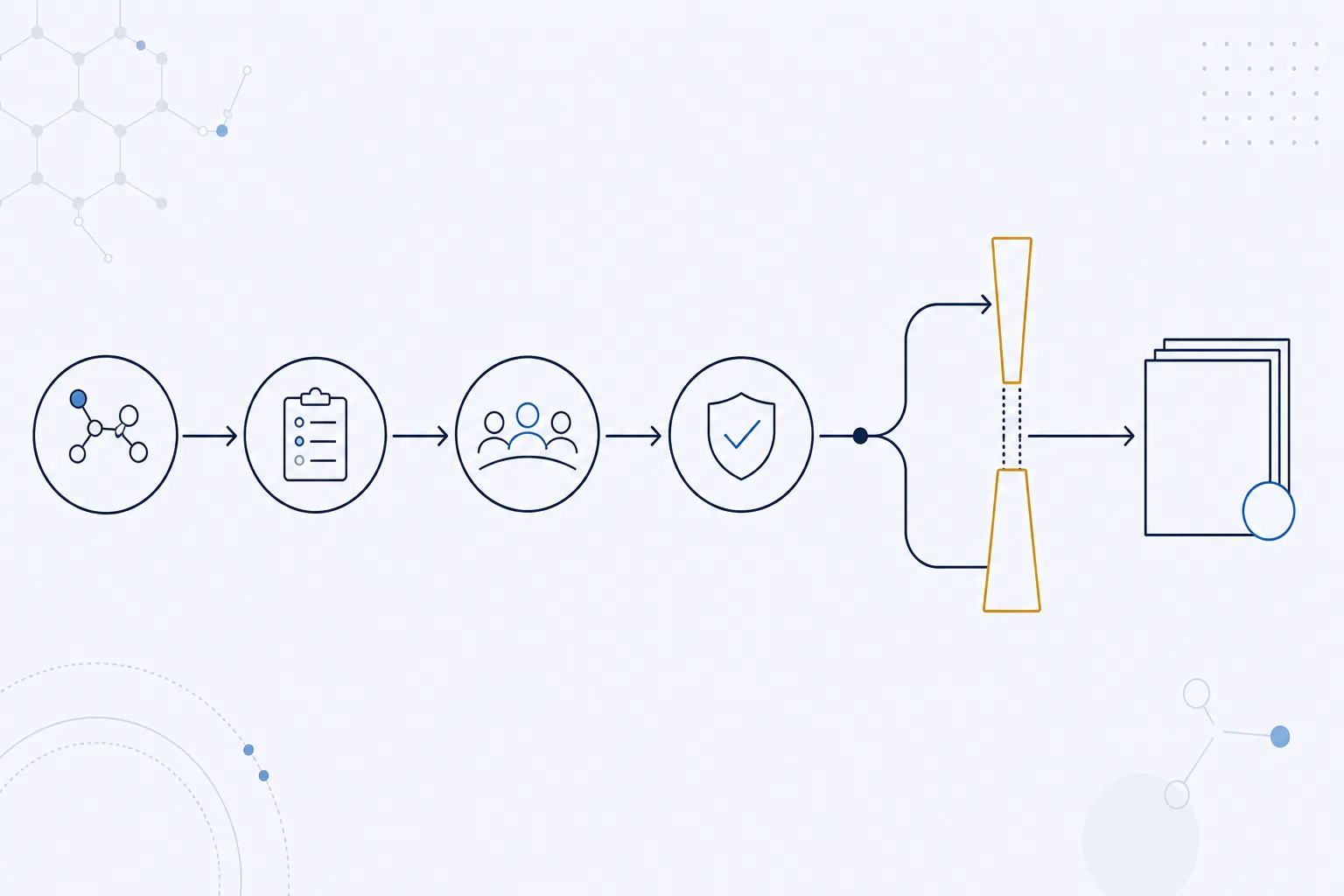 Procurement for Greek university laboratories through ELKE: procedure, thresholds, invoice and paymentHow a Greek academic laboratory buys from an ELKE project: the principal investigator's market research, the direct-award decision, the €10,000 and €30,000 thresholds, the electronic invoice and the payment deadlines.
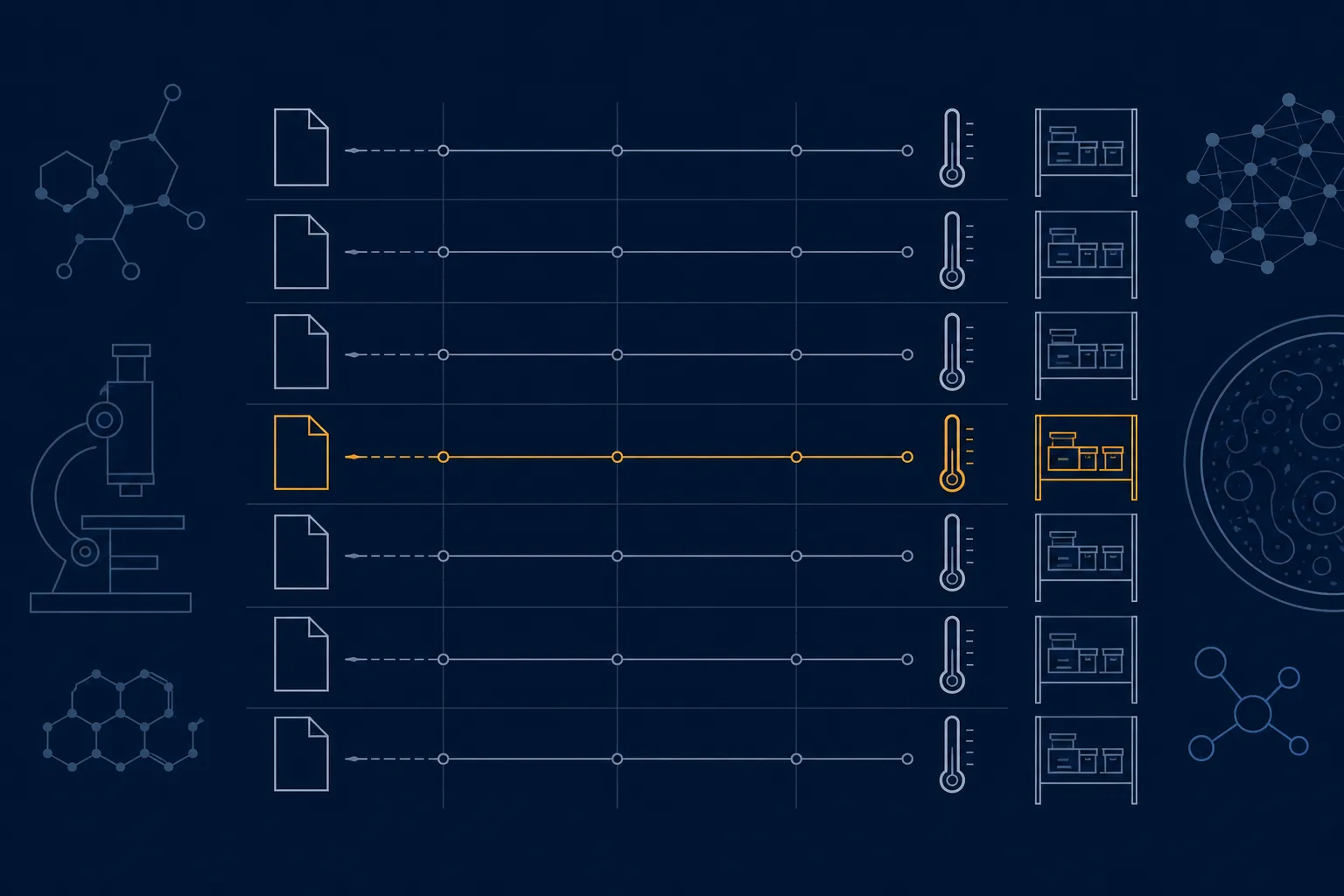 Keeping laboratory records: the minimum requirements for receipt, batch and storageWhich fields to record for every receipt of research material, how the batch number is tied to its documents, how long records are kept, and a minimum register template you can copy.
 Solemn declaration of research purpose: what it is, when it is asked for and what it does not coverThe solemn declaration under Article 8 of Law 1599/1986 records, under criminal liability, what the recipient of a research material knows and states. It is not a licence, it does not change the status of a substance, and it replaces no control.
lab materials diluents and consumables
 Aliquot labelling and the laboratory record: date stamping and batch traceabilityThe traceability chain rarely breaks at the supplier's label — it breaks at the second label, the one the laboratory writes itself.
 Bacteriostatic water or water for injections (WFI)? Solvent chemistry and how long stability really lastsThe difference is a single addition — and from it follow the microbiology, the solution chemistry, and what can honestly be documented as a shelf life.
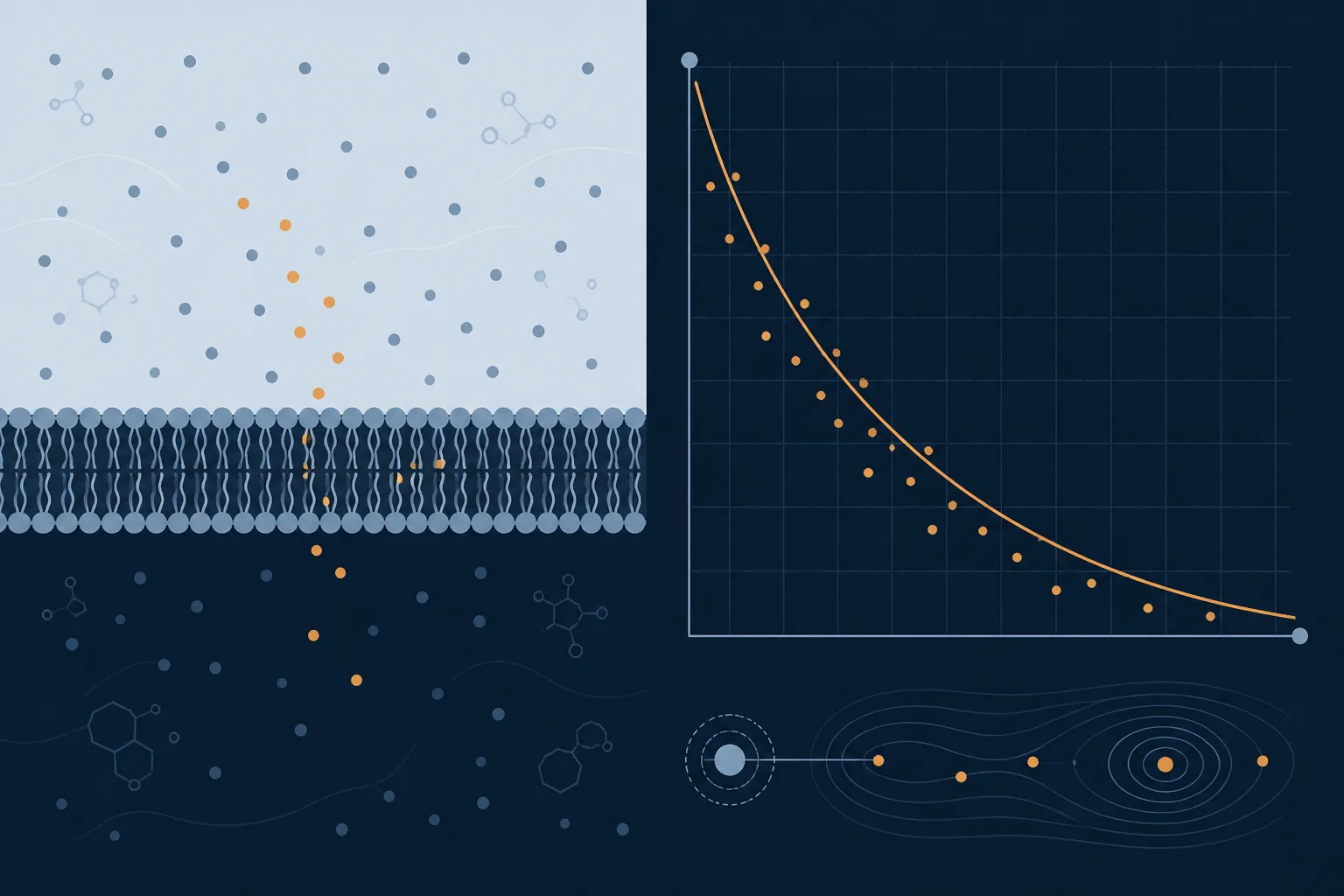 Benzyl alcohol 0.9%: what the preservative does, and where it mattersThe 0.9% sterilises nothing and corrects nothing — it suppresses the growth of vegetative bacteria inside an already sterile solution, and that is the whole of the promise.
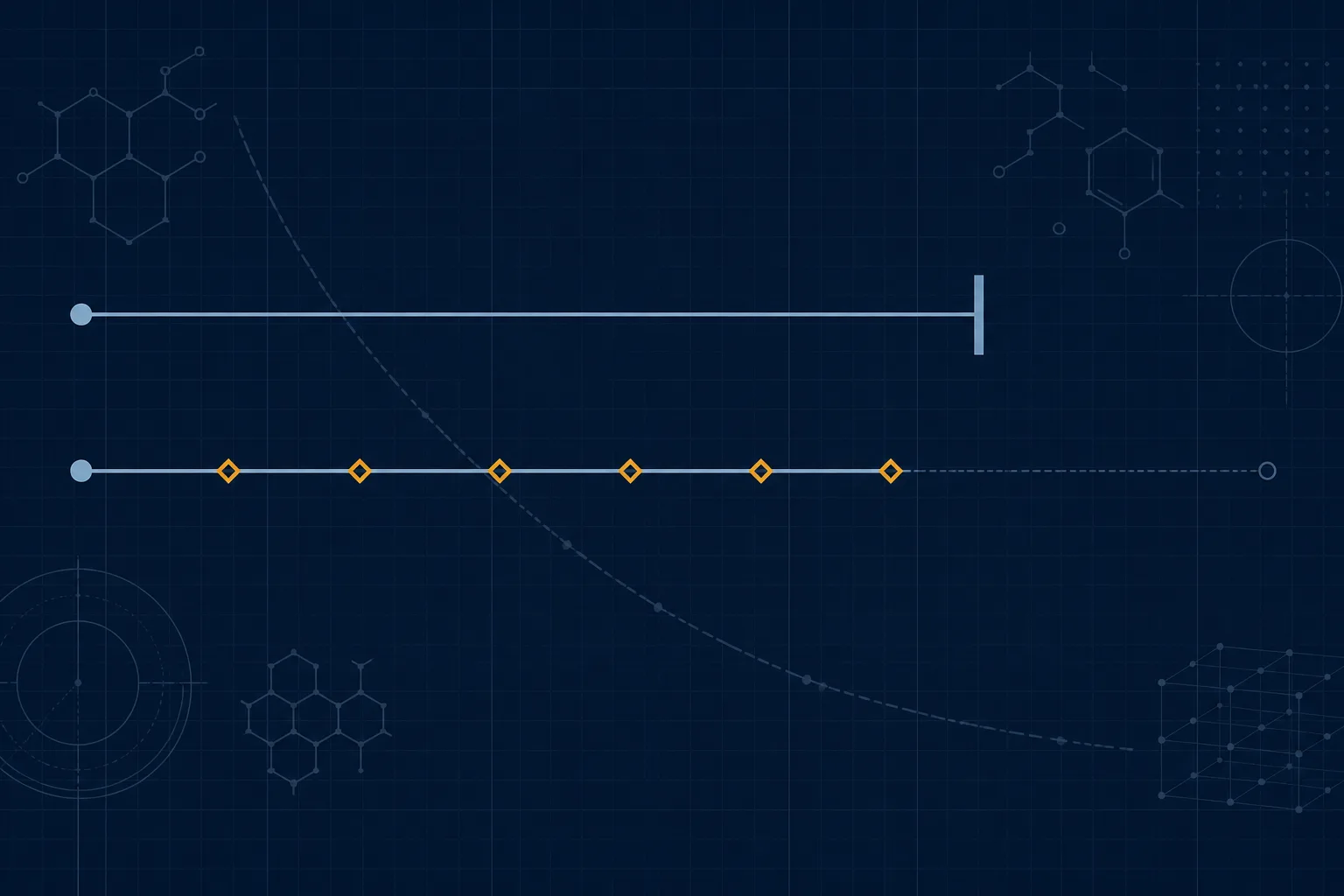 Expiry date or retest date? What each one actually statesOne is a full stop and cannot be extended; the other is a checkpoint, and it moves the burden of proof onto you.
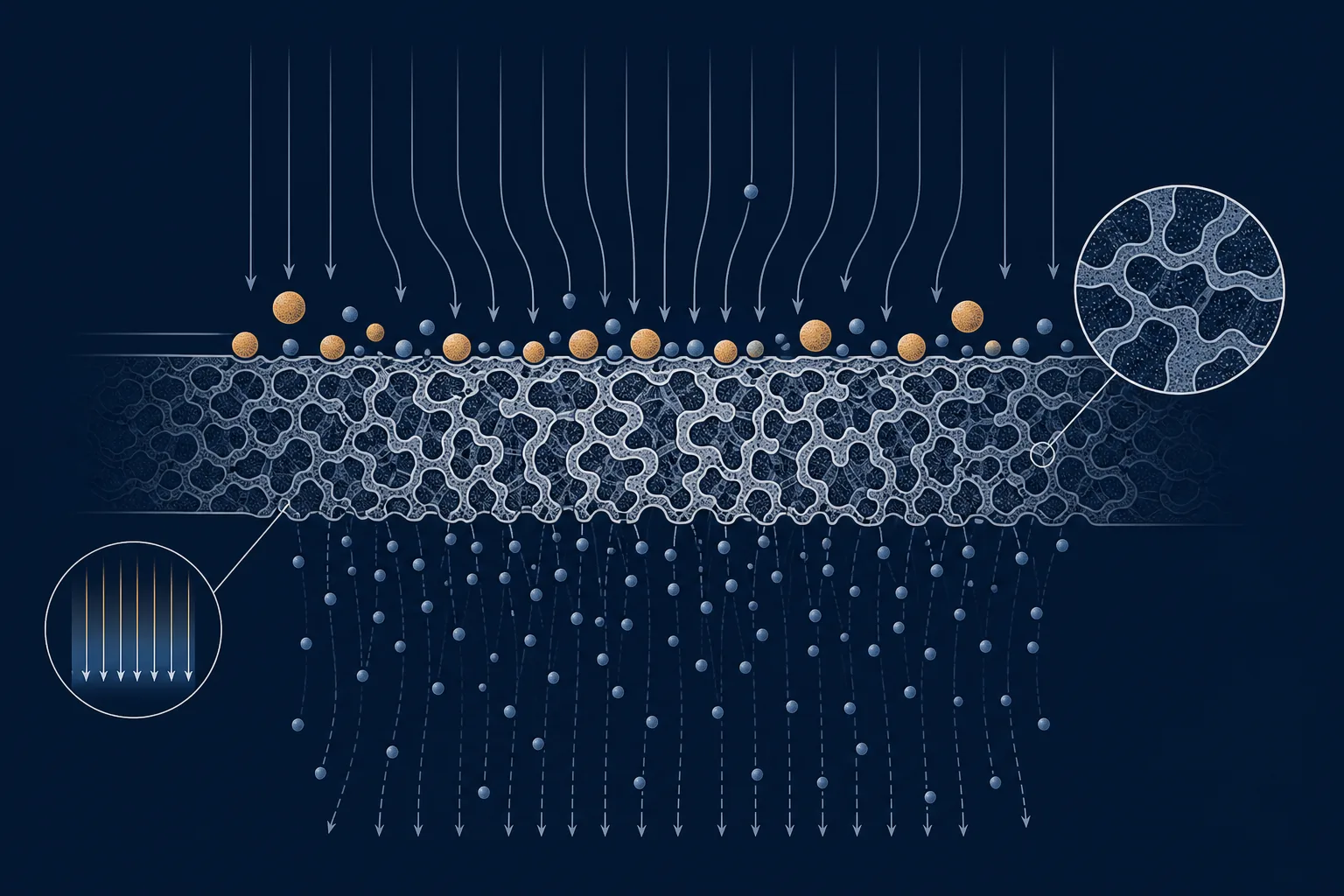 Laboratory consumables: syringes, stoppers and 0.22 µm filters — selection criteria"0.22 µm" is not a measured pore diameter but a performance rating — and the membrane you pick decides how much of your solution actually reaches the other side.
coa documentation literacy
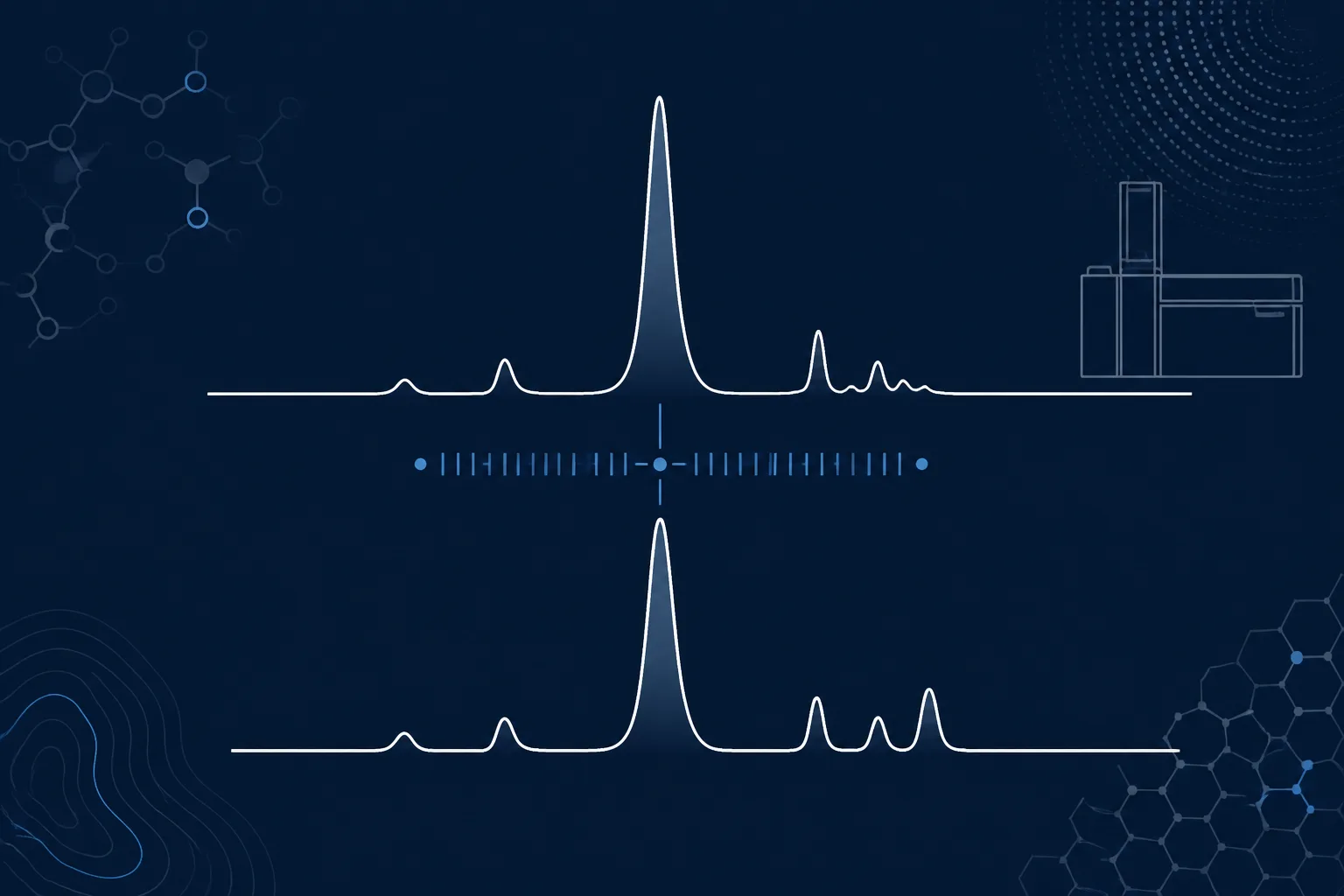 Batch-matched versus generic COA: why the lot number has to match the vialA COA documents one batch and nothing else — if the lot number on the document is not printed on the vial, the document is evidence about somebody else's material.
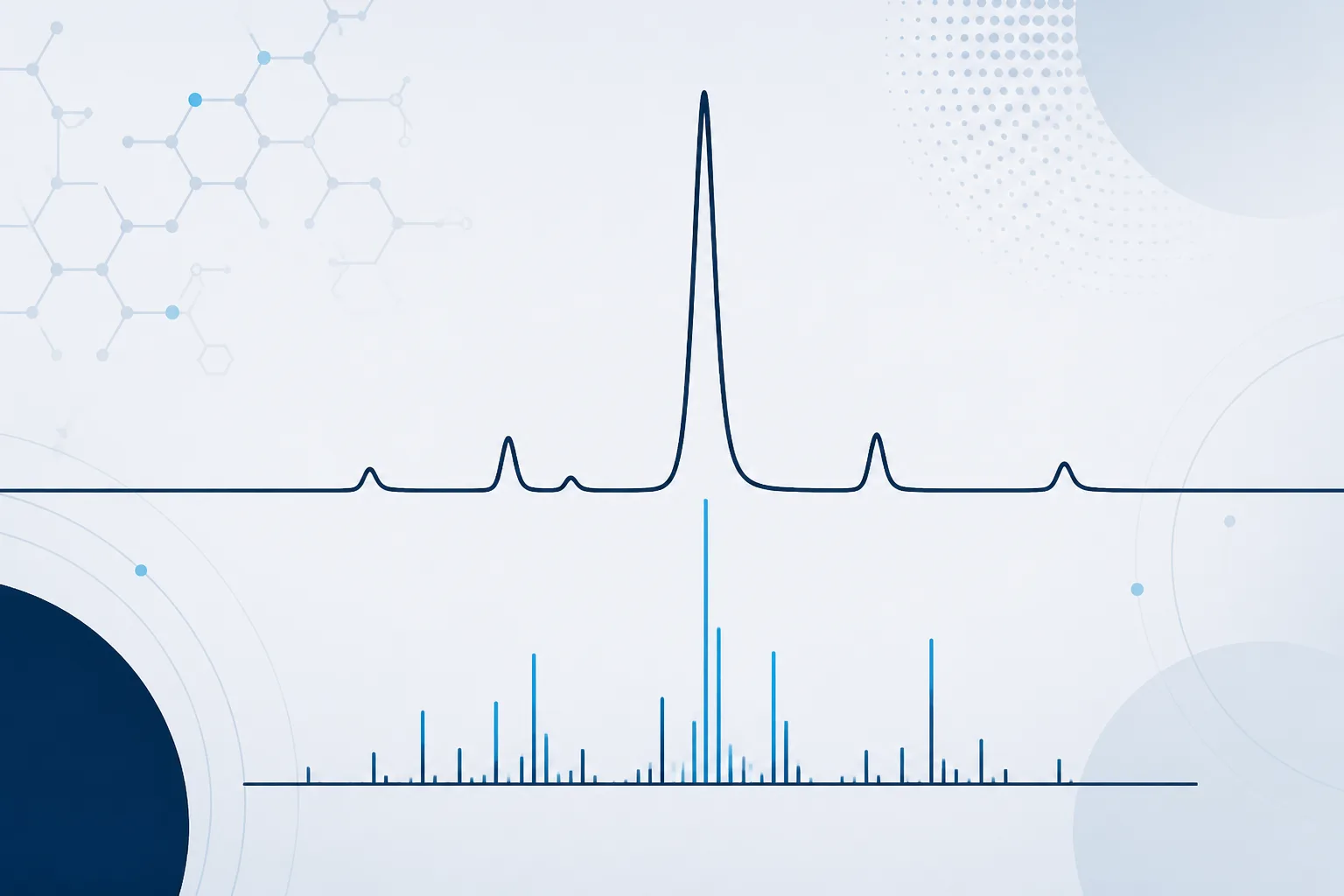 How to read a peptide Certificate of Analysis (COA)A COA is a test report covering one specific lot, not a quality seal — here is what each field actually evidences, and where the proof stops.
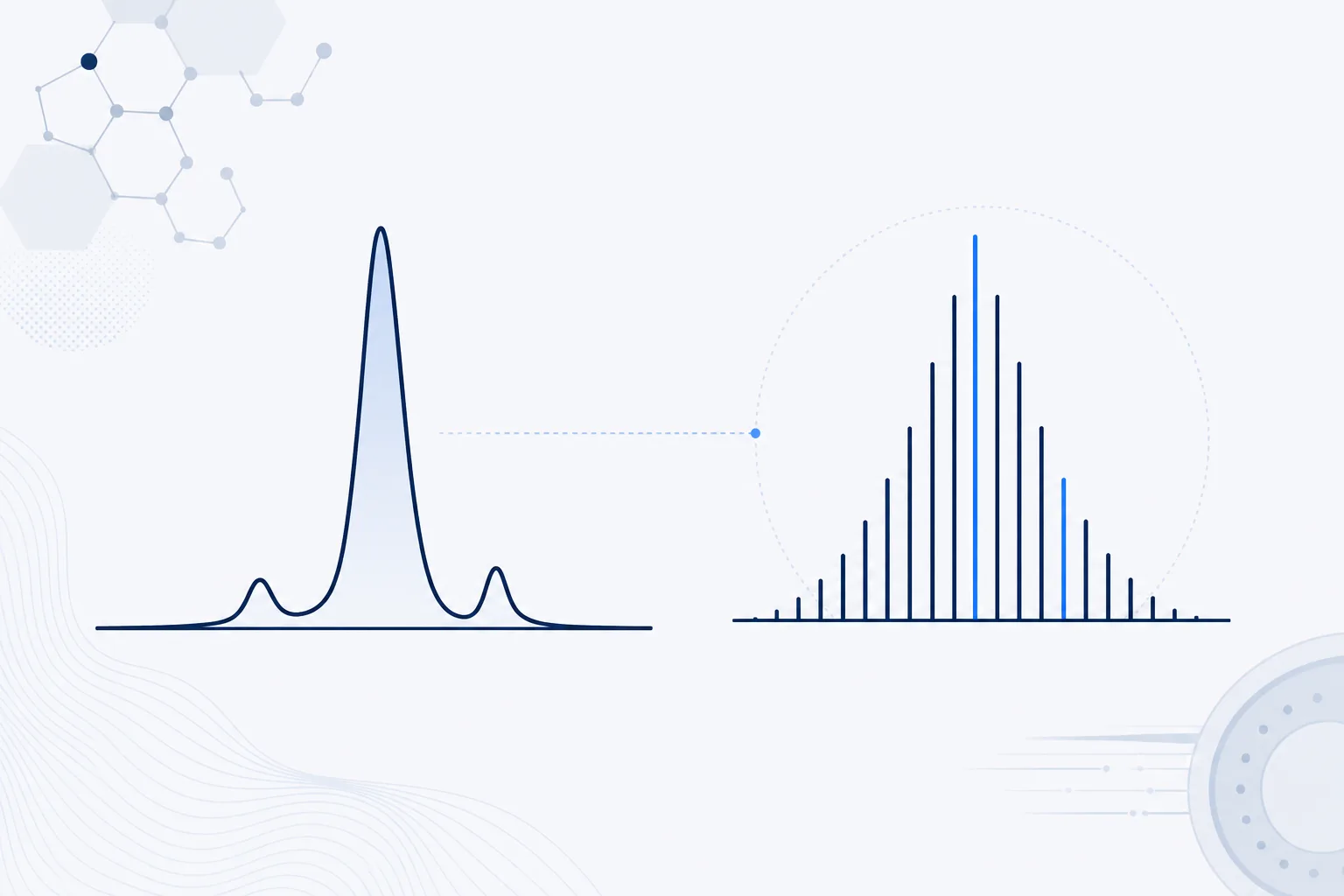 HPLC and LC-MS on a COA: what each method actually provesHPLC gives you a number without an identity and mass spectrometry gives you an identity without a number — here is how to read them together, and where each one is blind.
 What an accredited laboratory means: ISO/IEC 17025, ESYD and ILACAccreditation is not granted to laboratories but to measurements — and the only document that proves it is the scope of accreditation, not the logo at the top of the report.
 Signs of a falsified or inadequate COA: a practical document checkA falsified certificate of analysis is not recognised by how it looks — it is recognised by how much of it you can verify outside the document itself.
ruo regulatory status eu greece
 Who regulates what: EOF, the EMA and the Greek framework for peptidesA peptide's regulatory status is not set by the molecule but by how it is presented and what it is supplied for — and that is what decides which authority has a say.
 REACH and the Safety Data Sheet: documentation duties for research substancesWhen a safety data sheet is owed for research material, what it must contain, and what applies when none is owed at all.
 RUO labelling: what a research vial must state, and what its file must holdThe label is not decoration — it is the document that fixes the legal category of the contents and decides whether they can ever be traced.
 What “Research Use Only” (RUO) Means in Greece and the EURUO is not a certification but a statement of intended use — what that means under the IVDR, Directive 2001/83/EC, REACH and CLP, and who supervises what in Greece.
 Why some peptides are prescription medicines in the EUA peptide's legal classification is decided by the definition of a medicinal product, the marketing authorisation dossier behind a specific product, and the supply criteria of Directive 2001/83/EC — never by the molecule itself.
eu logistics customs and goods in
 Receiving a parcel: arrival inspection and goods-in documentationArrival is the only moment at which certain evidence exists — and the only moment at which it can be recorded.
 Ordering from outside the EU: customs duty, import VAT and delaysWhat a parcel from a third country is actually charged now that the EUR 150 threshold is gone, who collects it, and what really holds a consignment at customs.
 Intra-EU shipping of research materials: what applies for customs and VATThere is no customs procedure inside the EU — but there is an intra-Community acquisition, a recapitulative statement, and a documentation file somebody has to keep.
 Tamper seals and packaging integrity: authenticity checking from the buyer's sideAn intact seal does not tell you what is inside the vial — only that the closure has not been opened since it was sealed, and for research material not even that is required by law.
 Invoicing, the VAT number and intra-EU acquisition of research materialsThe VAT number field on an EU order is not a contact detail: it is the switch that decides who accounts for the tax, in which country, and at what real cost.